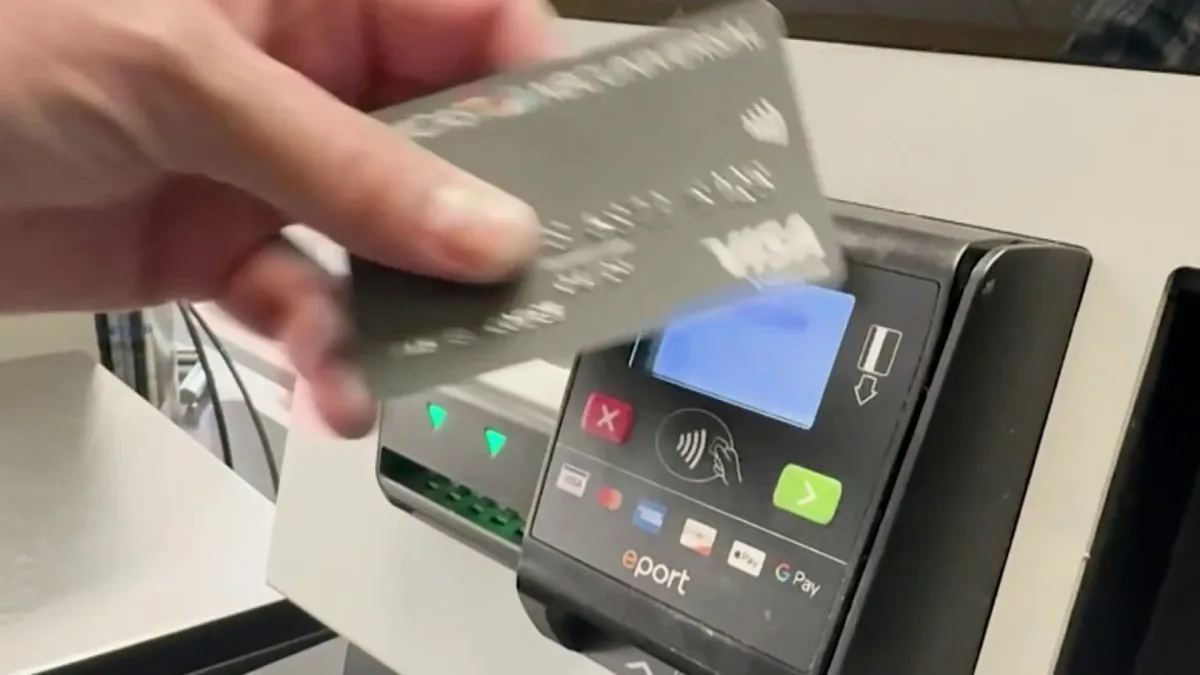
MIAMI, FL — Tap to pay technology has made checkout faster, but security experts are warning South Florida consumers about a new scam that can turn convenience into a risk. Known as ghost tapping, the scheme targets people who use contactless payment cards, phones or watches and relies on a scammer getting close enough to try to trigger a transaction.
The warning comes as more shoppers embrace tap to pay at stores, transit stops and other busy places. NBC 6 South Florida says the scam is aimed at users of contactless payment systems, especially in crowded settings where a suspicious charge can be hard to notice until after the fact.
How ghost tapping works with contactless payment cards and phones
Ghost tapping is built around the same wireless technology that makes tap to pay possible. Instead of stealing a card number through the internet, scammers try to use close physical proximity to prompt a payment, often without the victim clearly seeing what happened in the moment.
That makes the scam different from old-fashioned card theft, where a wallet is taken and used later. In this case, the danger is that a person may still have the card, phone or watch in hand or in a pocket while a transaction attempt is happening nearby.
Because the technology is designed to be quick and easy, experts say consumers may not immediately realize they were targeted. Any unexpected charge, especially one that appears after a crowded public interaction, deserves quick attention from the card issuer or payment provider.
Why busy public places can create the perfect setting
Crowds are part of what makes ghost tapping possible. The closer a scammer can get to a person carrying a contactless card or device, the greater the chance of attempting a payment interaction that the victim does not notice.
That means shoppers, commuters and people moving through packed public spaces may face the most risk. The scam relies less on sophisticated hacking than on opportunity, speed and confusion in places where people are distracted and transactions happen all around them.
Security concerns like this are one reason consumer advocates urge people to keep an eye on statements and alerts. A charge that seems small or unfamiliar may be the first sign that someone tried to use a tap-enabled payment method without permission.
What tap to pay users can do to lower the risk
Consumers using tap to pay are being urged to stay alert to unfamiliar charges and to review payment notifications regularly. Even a small or pending transaction can matter, since scammers may test whether a card or account is active before trying something larger.
People can also reduce exposure by keeping wallets, phones and watches secure in crowded spaces and by checking whether their payment apps offer alerts. Quick action matters if something looks off, because reporting a suspicious charge sooner can help limit losses and speed up replacement of a compromised card.
In general, the safest approach is to treat contactless payments the same way as any other financial tool: convenient, but worth monitoring. If a consumer sees a charge they do not recognize, they should contact the card issuer or payment service right away.
Tap to pay keeps growing even as scams adapt
Contactless payment has become a normal part of everyday life because it is fast and easy to use. That popularity also gives scammers more opportunities to look for weaknesses in how people carry and use their cards and devices.
Ghost tapping shows how criminals continue to adapt to new technology instead of abandoning older tactics. Rather than breaking the payment system itself, they are trying to take advantage of the brief moments when people are moving through busy places and may not notice what is happening near them.
For consumers, the takeaway is that convenience and caution now need to go together. Tap to pay remains useful, but NBC 6 South Florida’s warning underscores the importance of checking accounts and staying aware in crowded environments.
Why this warning matters for South Florida shoppers and commuters
South Florida’s dense shopping areas, transit hubs and crowded public venues make the warning especially relevant to local residents and visitors who rely on contactless payments every day. The scam does not require a victim to hand over a card or reveal a PIN in order to create concern.
That is what makes ghost tapping unsettling: it turns an ordinary payment habit into a possible point of vulnerability. For many people, the first clue will not be a face-to-face confrontation, but a charge that does not look right on a statement or phone notification.
As tap to pay becomes even more common, experts say awareness remains the best defense. Knowing how the scam works makes it easier to spot suspicious activity and respond before a small problem becomes a larger financial issue.